

ADHD and Life Insurance: What You Need to Know
Talk to one of our experienced advisors, today!
13 Minute read
Originally published: August 8, 2023
ADHD and Life Insurance: What You Need to Know
Talk to one of our experienced advisors today!
13 Minute read
Originally published: August 8, 2023
In today’s fast-paced world, ensuring your loved ones’ financial security through life insurance has become paramount. But what happens when you pair this essential financial tool with a common neurodevelopmental disorder like ADHD? Many individuals diagnosed with Attention Deficit Hyperactivity Disorder (ADHD) find themselves navigating a maze of questions and misconceptions when it comes to securing a life insurance policy. Is ADHD viewed as a risk by insurers? Will premiums skyrocket? Or worse, can a diagnosis lead to policy denial?
In this blog, we’ll demystify the relationship between ADHD and life insurance, offering insights, tips, and the information you need to confidently secure the right policy for your unique circumstances.
In this article:
- Overview of ADHD
- Case Study: Life Insurance for Roshan with ADHD
- Can I qualify for life insurance after I’ve been diagnosed with Hyperactivity Disorder (ADHD) and/or Attention Deficit Disorder (ADD)?
- How Life Insurance Companies View ADHD
- Understanding Life Insurance Underwriting
- How ADHD Drugs Can Affect Your Coverage
- What information about my ADHD will the insurance companies request or be interested in?
- Frequently Asked Questions (FAQs) about Life Insurance with ADHD
Overview of ADHD
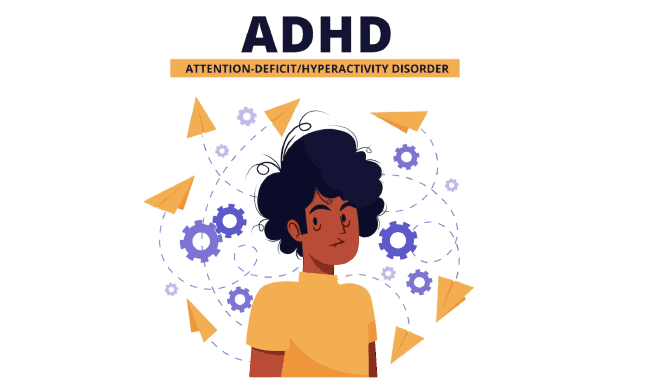
Attention-Deficit/Hyperactivity Disorder (ADHD) is a neurodevelopmental disorder that affects both children and adults. It is characterized by persistent patterns of inattention, hyperactivity, and impulsivity, which are more frequent and severe than typically observed in individuals at a comparable level of development.
Key characteristics of ADHD include:
- Inattention: This might present as difficulty paying attention, being easily distracted, making careless mistakes, having trouble organizing tasks, or frequently forgetting daily activities.
- Hyperactivity: Symptoms include restlessness, excessive talking, and being constantly on the move. In children, it might appear as fidgeting, difficulty sitting still, running about, or climbing excessively. Adults may experience feelings of restlessness.
- Impulsivity: This is characterized by making hasty actions without thinking about the potential consequences. Individuals may have difficulty waiting their turn, interrupt or intrude on others, and make important decisions without considering the long-term effects.
ADHD is usually diagnosed in childhood, often in conjunction with disruptive behavior disorders. Symptoms may persist into adulthood and can cause significant functional impairments in academic, family, and social settings. The exact cause of ADHD is unknown, but it is believed to involve a combination of genetic, environmental, and neurological factors.
Treatment for ADHD often includes a combination of medication, psychotherapy, behavior management strategies, and educational accommodations or interventions. Medications such as stimulants are often effective in managing ADHD symptoms, but they must be used under the supervision of a healthcare provider due to potential side effects.
Psychotherapy, including cognitive-behavioral therapy, can help individuals with ADHD learn to manage their symptoms and cope with the disorder. Behavioral management strategies can also help reduce problematic behaviors and increase desired behaviors.
Education interventions can help students with ADHD succeed acadically by offering extra support, accommodations, or specialized education plans.
While ADHD can be challenging to manage, with appropriate treatment and support, individuals with ADHD can lead successful and fulfilling lives.
Case Study: Life Insurance for Roshan with ADHD

Background: Roshan, a 28-year-old mechanical engineer from Oakville, was diagnosed with Attention Deficit Hyperactivity Disorder (ADHD) when he was 20. As someone newly engaged and looking forward to starting a family, he wanted to ensure the financial stability of his loved ones and thus sought to obtain a life insurance policy.
Challenge: While Roshan had no other significant health issues, he was on a combination of medications for ADHD, including a stimulant and a non-stimulant, to manage his symptoms. Moreover, he had switched medications a couple of times in the past two years due to side effects. He was concerned that his ADHD, combined with his medication history, might affect his insurance premiums or even his insurability.
Approach: Roshan approached an experienced insurance broker, who specialized in assisting clients with pre-existing conditions.
- Full Disclosure: Roshan was advised to be transparent about his ADHD diagnosis, his medication, any side effects he experienced, and any associated conditions.
- Medical Evaluation: He recommended a comprehensive medical evaluation to provide the insurance company with a clear picture of Roshan’s current health and how well he managed his ADHD.
Results: Three insurers provided quotes. The first insurer quoted a premium 20% higher than standard rates, citing the recent changes in medication as a potential concern. The second offered standard rates but required a two-year review period. The third, after reviewing Roshan’s comprehensive medical report and noting his overall health and stable professional life, offered him a preferred rate.
Conclusion: Roshan was able to secure a life insurance policy with preferred rates, ensuring the financial safety of his future family. This case underscores the importance of transparency, thorough medical evaluations, and the value of working with knowledgeable brokers when navigating the life insurance landscape with ADHD.
Can I qualify for life insurance after I’ve been diagnosed with Hyperactivity Disorder (ADHD) and/or Attention Deficit Disorder (ADD)?
Yes! Obtaining life insurance is possible even after being diagnosed with Attention Deficit Hyperactivity Disorder (ADHD) or Attention Deficit Disorder (ADD). However, your diagnosis could influence the terms of your policy and the premiums you’re expected to pay.
The specific stipulations attached to a life insurance policy vary based on the insurance provider and the nuances of your personal situation. This includes factors such as the intensity of your ADHD or ADD, your age, and any other health conditions you might have.
Transparency is key when seeking life insurance with ADHD or ADD as a pre-existing condition. Most insurance providers will request detailed medical records and additional data about your diagnosis during the application process.
It’s essential to recognize that life insurance policies tailored for those with pre-existing conditions might come with certain exclusions or specific terms. Additionally, the premiums might be steeper compared to those for individuals without any pre-existing medical conditions.
Before finalizing any policy, it’s crucial to meticulously go through its terms. Ensure that you’re fully aware of any potential exclusions or conditions and are satisfied with the premium rates and overall policy details.
How Life Insurance Companies View ADHD
ADHD severity can be classified as mild, moderate, or severe, and symptoms affect each person differently. Insurance providers will pay special attention to the severity of your condition as well as the medications you use. Individuals with mild, well-managed instances may even be eligible for preferred rates.
Here’s a general view of how life insurance companies might see ADHD:
Mild to Moderate ADHD: Typically, if a person’s ADHD is well-managed through medication and/or therapy and doesn’t significantly interfere with their daily life or ability to work, the condition will have minimal impact on their life insurance premiums. They may qualify for standard or even preferred rates depending on the rest of their health and lifestyle profile.
Severe ADHD: If a person has severe ADHD, which could include frequent changes in employment, difficulty maintaining personal relationships, or other issues such as substance abuse, the insurance company may consider this a higher risk. This could result in higher premiums or, in some cases, a denial of coverage.
ADHD with Comorbid Conditions: ADHD often coexists with other conditions such as depression, anxiety, or substance use disorders. If an individual has a coexisting condition along with ADHD, this could increase their perceived risk to the insurer and could potentially impact their premiums or insurability.
Medication Impact: Certain medications used to treat ADHD could potentially influence life insurance rates. For instance, if the medications present side effects that might impact the individual’s health or if the individual’s medical record shows frequent changes in medication, this might raise concerns for the insurer.
Non-Disclosure: It’s crucial for applicants to disclose their ADHD diagnosis during the application process. If it’s discovered later that an applicant did not disclose their condition, the insurance company may increase the premiums, cancel the policy, or deny a claim.
Lifestyle and Control: Life insurance companies will also consider how well an individual manages their ADHD. This could include regular doctor visits, adherence to treatment plans, stable employment, and a healthy lifestyle. Good control and management of the condition can help reassure insurers and possibly lead to more favorable rates.
Understanding Life Insurance Underwriting
During the underwriting process, an applicant’s approval and risk class are established. The price of your coverage is ultimately determined by your risk class. Additionally, a huge factor is whether you were diagnosed with mild, moderate, or severe ADHD.
ADHD Severity in Adults
| Classification | Description |
|---|---|
| Mild | Adults with predominant symptoms of inattention, distractibility, agitation, and forgetfulness have minimal impact on their daily functioning. |
| Moderate | Adults with a number of the following symptoms: inattentiveness, restlessness, distinct short mood shifts, emotional overreactivity, disorganisation, impatience, co-morbid moderate depression, marital instability, or occupational performance difficulties. |
| Severe | Adults with motor hyperactivity and inattentiveness in addition to explosive temper, relationship or work problems, impulsive buying, motor vehicle accidents, alcohol or substance misuse, depression, conduct or personality disorder, or arrest history. |
ADHD Severity in Children
| Classification | Description |
|---|---|
| Mild | Children with the predominantly inattentive subtype of ADHD, a normal IQ (> 70), minor behavioural issues, little aggression, no diagnosis of oppositional defiant disorder (ODD) or conduct disorder (CD), and treatment with a single medication. |
| Moderate | Children with the hyperactive and impulsive subtypes, a normal IQ (>70), learning disabilities, behavioural difficulties and/or aggressiveness, including oppositional defiant disorder (ODD), and the use of up to two medications. |
| Severe | Children who meet the criteria for moderate ADHD and exhibit significant aggression or violence, conduct disorder (CD), personality disorder, or substance abuse. |
Given the varied ways ADHD manifests in individuals, underwriters won’t hastily judge based solely on an ADHD diagnosis. Instead, they thoroughly assess several elements.
Key factors they consider are:
- Age when diagnosed
- Scope and outcomes of diagnostic tests
- Primary symptoms displayed
- Therapeutic interventions
- Specific medications and their dosages
- Presence of other mental or nervous disorders
- Driving records (MVR)
- Any history of arrests
- Employment details and performance in school or work
Being diagnosed with ADHD doesn’t automatically exclude you from securing life insurance. In reality, many insurers are open to offering policies to healthy adults who have ADHD under control, especially if there’s no associated history of depression. Opting for the Standard or Preferred risk categories might be feasible. To ensure you land the most cost-effective rates, especially in the Preferred class, it’s wise to compare different insurance offers.
How ADHD Drugs Can Affect Your Coverage
When evaluating life insurance applications, insurers not only consider the diagnosis but also any ongoing treatments, including medications. For individuals with ADHD, the type and dosage of medication they’re on can indeed influence an insurer’s decision and potentially affect premium rates.
- Medication Indicative of Severity: The type of medication prescribed and its dosage can sometimes be indicative of the severity of the ADHD. For instance, certain medications are reserved for more severe cases, while others might be prescribed for milder symptoms. Underwriters may use this information, along with other medical records, to assess the potential risk.
- Side Effects of Medications: ADHD medications, especially stimulants, can have side effects like increased heart rate, elevated blood pressure, or anxiety. Such side effects, if not managed, can raise concerns for insurers, especially if they contribute to other health conditions.
- Stability and Consistency: A history of frequent changes in medication or dosages can raise red flags for insurers. It might indicate instability in managing the condition or that the individual’s ADHD symptoms are not consistently well-controlled.
- Medications and Comorbidity: ADHD often coexists with other conditions, such as depression or anxiety. Some individuals might be on a combination of ADHD medications and antidepressants or anxiolytics. This can complicate the underwriting process, as insurers will also consider the potential risks associated with these comorbid conditions and their treatments.
- Disclosure of Medication: Honesty is paramount. Withholding information about ADHD medications during the application process can lead to policy cancellation or claims being denied. It’s essential for applicants to fully disclose their medication history, even if they believe it might lead to higher premiums.
While ADHD medications can influence the underwriting process, it’s essential to understand that every life insurance company has its own criteria. Just because one company may view a particular medication or dosage as a higher risk doesn’t mean all insurers will. It’s beneficial for individuals on ADHD medications to work with knowledgeable brokers or agents who can guide them to the companies most likely to offer favorable terms.
What information about my ADHD will the insurance companies request or be interested in?
When you pursue a life insurance policy and reveal a diagnosis of ADD, the insurance company will likely delve deeper into your medical background and current health status. They might inquire about:
- Precise details of your diagnosis, including its timeline and the medical professional responsible for it.
- The intensity of your condition coupled with the symptoms you encounter.
- All approaches you’ve adopted for treatment or managing the condition, be it medication or therapeutic sessions.
- Any recent medical evaluations or diagnostic procedures you’ve been through, like blood tests or medical imaging.
- Details about your lifestyle choices, encompassing your dietary habits, smoking status, and physical activity levels.
- Other medical conditions or potential risk factors that might be pertinent to your application.
- The nature and depth of the information required can vary based on the insurer and the stipulations of the policy. Some insurance providers might mandate extra details or even necessitate a comprehensive medical examination during the application process.
Further, while some questions might appear tangential to your ADD diagnosis, they could be scrutinized more intensively than in standard life insurance applications. Examples include:
- Are you currently prescribed any other medications?
- Have there been any alterations to your prescribed medications in the last year?
- Over the past 24 months, were there any instances where you needed hospitalization?
- Do you have a past marred by substance abuse or alcohol dependency?
- Have you ever faced legal issues, be it felonies or misdemeanors?
- Does your driving record spotlight concerns like frequent violations, DUI incidents, or a license suspension?
- Are you involved or planning to be involved in high-risk hobbies or pursuits?
- Are there any overseas travel plans on your agenda in the upcoming year?
- Are you presently employed?
- In the last year, have you applied for or been granted any disability benefits?
Frequently Asked Questions (FAQs) About Life Insurance with ADHD
Yes, individuals with ADHD can obtain life insurance. However, the terms and premiums might vary based on the severity of the condition and the insurer’s underwriting guidelines.
Not necessarily. If your ADHD is well-managed, and you don’t have any other significant health concerns, you may qualify for standard or even preferred rates. However, severe ADHD or associated complications might lead to higher premiums.
Absolutely. Honesty is crucial during the application process. Failing to disclose your condition could lead to policy cancellations or denied claims in the future.
Insurers typically consider the age of diagnosis, severity, treatment details, medication types and dosages, and any associated conditions or complications. They may also look into related factors like employment stability and lifestyle choices.
They might. Certain medications, especially if they’re associated with significant side effects, can influence an insurer’s decision. However, a consistent medication history with well-managed symptoms could be viewed favorably.
Yes, some insurance companies have more lenient underwriting processes for individuals with ADHD. It’s beneficial to work with an experienced broker or agent who can guide you to the most suitable insurer for your situation.
Find a solution for what you’re looking for
Certainly, securing life insurance with an ADHD diagnosis may present its challenges, but with the right knowledge and approach, it’s entirely feasible to find a policy tailored to your needs, ensuring peace of mind for both you and your loved ones. At Protect Your Wealth, we work with and compare policies and quotes from the best life insurance companies in Canada to ensure the best solution for you and your needs. We’ve been providing expert life insurance solutions since 2007, including no medical life insurance, term life insurance, and permanent life insurance, to build the best package to give you the protection you need.
Contact Protect Your Wealth or call us at 1-877-654-6119 to talk to an advisor today. We’re proudly based out of Hamilton, and service clients anywhere in Ontario, Alberta and British Columbia; including areas such as Kitchener, Victoria, and St. Albert.



Leave A Comment